

Introduction
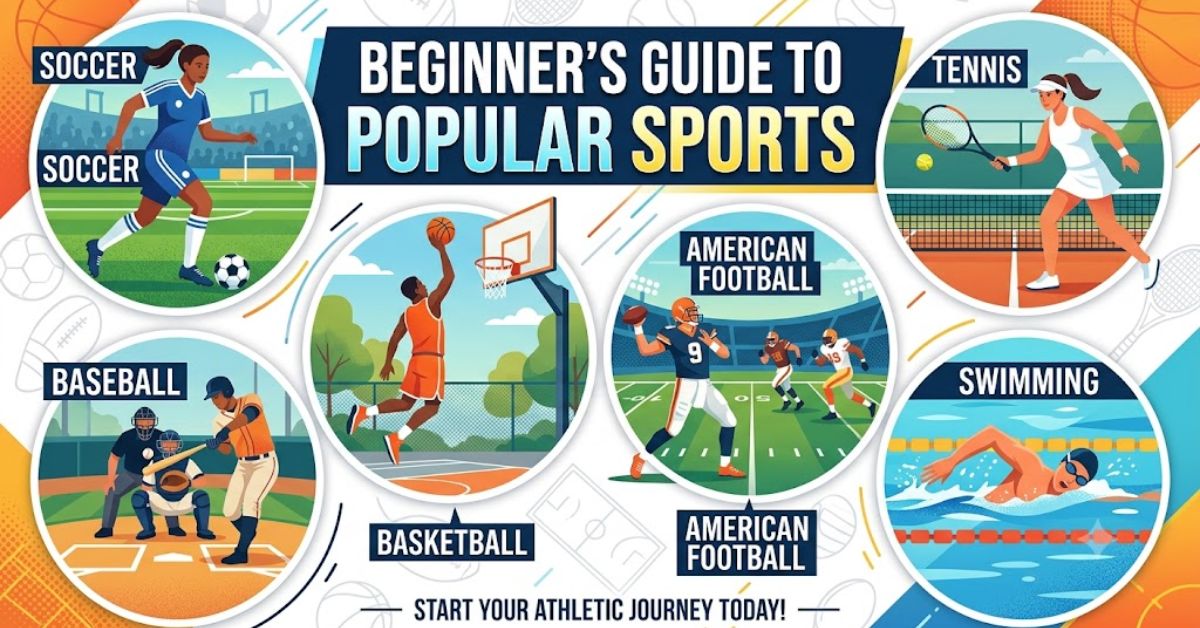
Sports have always been an exciting way to stay active, build friendships, and develop valuable life skills. Whether you’re looking to improve your fitness, enjoy friendly competition, or simply discover a new hobby, understanding different sports is the perfect place to begin. This Beginner’s Guide to Popular Sports is designed to help newcomers explore the basics without feeling overwhelmed.
Many beginners hesitate because they believe sports require advanced skills or years of experience. In reality, everyone starts somewhere. Learning the basic rules, understanding the equipment, and practicing simple techniques can make any sport enjoyable from day one.
This Beginner’s Guide to Popular Sports covers everything you need to know, including why sports matter, how to choose the right one, essential steps for getting started, common mistakes, benefits, risks, and practical tips for long-term success. Whether you’re interested in team games like football and basketball or individual activities such as tennis or swimming, this guide will provide a solid foundation.
By the end of this article, you’ll have the confidence to choose a sport that suits your interests, fitness level, and lifestyle while understanding how to enjoy it safely and consistently.
What is Beginner’s Guide to Popular Sports?
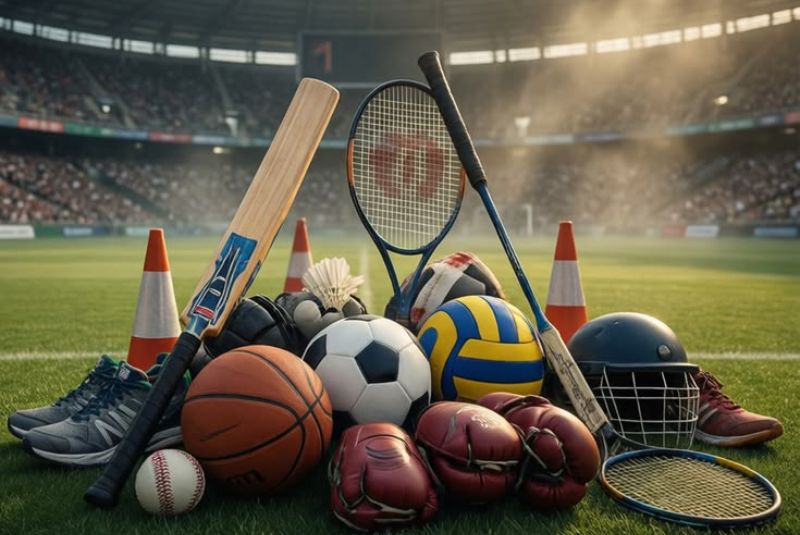
A Beginner’s Guide to Popular Sports is an introductory resource that helps new players understand the basics of widely played sports. It explains fundamental rules, required equipment, playing techniques, safety precautions, and training tips in a simple and easy-to-follow manner.
Popular sports include both team and individual activities, such as:
- Football (Soccer)
- Basketball
- Cricket
- Tennis
- Volleyball
- Badminton
- Swimming
- Athletics (Track and Field)
- Table Tennis
- Baseball
Each sport has unique rules and skills, but they all promote physical fitness, teamwork, discipline, and personal growth.
Learning sports doesn’t require perfection. Instead, beginners should focus on understanding the fundamentals before developing advanced techniques.
Why is Beginner’s Guide to Popular Sports Important?
Starting any sport without basic knowledge can be confusing and even risky. A proper introduction helps players learn efficiently while reducing the chances of injury.
Some important reasons include:
- Builds confidence before playing.
- Helps select the right sport.
- Teaches basic rules and fair play.
- Improves safety awareness.
- Makes learning enjoyable.
- Encourages regular physical activity.
- Develops teamwork and communication skills.
- Promotes lifelong healthy habits.
Understanding sports early also helps players appreciate strategy rather than simply following others on the field.
Detailed Step-by-Step Guide
Step 1: Identify Your Interests
Not every sport suits every individual.
Ask yourself:
- Do you enjoy team activities?
- Do you prefer individual competition?
- Do you like fast-paced action?
- Are you interested in outdoor or indoor sports?
For example:
- Football is ideal for teamwork.
- Tennis suits one-on-one competition.
- Swimming is excellent for full-body fitness.
- Cricket develops patience and strategy.
Choosing a sport you genuinely enjoy increases the likelihood of staying committed.
Step 2: Understand the Basic Rules
Every sport has its own set of rules.
Start by learning:
- Objective of the game
- Number of players
- Scoring system
- Match duration
- Common fouls
- Winning conditions
Reading beginner-friendly rule summaries or watching full matches helps make learning easier.
Step 3: Learn the Essential Equipment
Each sport requires specific equipment.
Examples include:
Quality equipment improves comfort and safety without necessarily requiring expensive purchases.
Step 4: Focus on Basic Techniques
Instead of trying advanced moves immediately, master the fundamentals.
Examples include:
Football:
- Passing
- Dribbling
- Shooting
- Ball control
Basketball:
- Dribbling
- Passing
- Layups
- Defensive stance
Cricket:
- Batting grip
- Bowling action
- Catching
Tennis:
- Forehand
- Backhand
- Serve
- Footwork
Strong fundamentals create a solid foundation for future improvement.
Step 5: Improve Your Fitness
Sports require more than technical skills.
Focus on:
- Cardiovascular endurance
- Strength
- Flexibility
- Balance
- Coordination
Simple beginner workouts include:
- Walking
- Jogging
- Jump rope
- Bodyweight exercises
- Stretching
- Cycling
Better fitness improves performance while reducing injury risk.
Step 6: Practice Consistently
Practice is where improvement happens.
A beginner schedule might look like:
- Monday: Skills practice
- Wednesday: Fitness training
- Friday: Match simulation
- Saturday: Light recovery session
Consistency matters far more than long but infrequent training sessions.
Step 7: Learn Sportsmanship
Winning is enjoyable, but sports are about much more.
Practice:
- Respecting opponents
- Listening to referees
- Supporting teammates
- Accepting defeat gracefully
- Celebrating responsibly
Good sportsmanship builds character both on and off the field.
Step 8: Play with Others
Joining local clubs or community groups offers many advantages.
You’ll gain:
- Real-game experience
- Better communication skills
- Constructive feedback
- Increased confidence
- New friendships
Playing with experienced athletes also accelerates learning.
Step 9: Set Realistic Goals
Rather than aiming for perfection, create achievable goals.
Examples:
- Learn basic dribbling in two weeks.
- Swim continuously for 20 minutes.
- Improve passing accuracy.
- Increase running stamina.
Small achievements build long-term motivation.
Step 10: Continue Learning
Sports constantly evolve.
Improve by:
- Watching professional matches
- Learning new drills
- Attending coaching sessions
- Reading training materials
- Practicing regularly
Continuous learning keeps the experience enjoyable.
Benefits of Beginner’s Guide to Popular Sports

Learning sports offers benefits beyond physical fitness.
- Improves heart health
- Builds muscular strength
- Enhances flexibility
- Supports weight management
- Boosts confidence
- Reduces stress
- Improves concentration
- Develops discipline
- Encourages teamwork
- Teaches leadership
- Promotes better sleep
- Increases social interaction
- Builds resilience
- Enhances coordination
- Creates lifelong healthy habits
These benefits make sports valuable for people of nearly every age.
Disadvantages / Risks
Although sports offer numerous advantages, beginners should also understand potential challenges.
- Risk of injuries
- Muscle soreness
- Time commitment
- Equipment costs
- Competitive pressure
- Weather limitations for outdoor sports
- Possible frustration during early learning
- Risk of burnout from overtraining
Most of these risks can be minimized through proper preparation, gradual progression, and adequate recovery.
Common Mistakes to Avoid
Many beginners slow their progress by making avoidable mistakes.
Some common ones include:
Skipping Warm-Ups
Cold muscles are more vulnerable to injuries.
Ignoring Technique
Learning incorrect techniques early becomes difficult to correct later.
Buying Expensive Equipment Too Soon
Start with basic equipment before investing heavily.
Comparing Yourself to Experts
Professional athletes have years of experience.
Focus on your own improvement.
Overtraining
More practice isn’t always better.
Allow your body sufficient recovery time.
Ignoring Hydration
Proper hydration improves performance and recovery.
Avoiding Feedback
Constructive advice helps identify weaknesses and accelerate learning.
Quitting Too Early
Progress takes patience.
Many skills improve gradually with regular practice.
FAQs
Which sport is easiest for beginners?
Walking, swimming, badminton, table tennis, and football are excellent choices because they have simple rules and can be enjoyed at various skill levels.
How often should beginners practice sports?
Most beginners benefit from practicing two to four times per week. This schedule provides enough repetition to improve while allowing adequate recovery between sessions.
Do I need expensive equipment?
Many sports only require basic equipment when starting. As your skills improve, you can gradually invest in higher-quality gear if needed.
Can adults start learning sports?
Absolutely.
People of all ages successfully begin new sports every year. The key is choosing activities that match your current fitness level and progressing gradually.
Which sport burns the most calories?
Sports such as swimming, football, basketball, tennis, and running generally burn a significant number of calories because they involve continuous movement and high energy expenditure.
How can I avoid injuries as a beginner?
Reduce injury risk by:
Warming up properly
Using correct equipment
Learning proper techniques
Staying hydrated
Avoiding overtraining
Listening to your body’s signals
Resting when necessary
Should I learn from a coach?
While self-learning is possible, a qualified coach can teach proper techniques, correct mistakes early, and provide personalized guidance that speeds up improvement.
How long does it take to become good at a sport?
The timeline varies depending on the sport, practice frequency, and individual commitment. Many beginners notice meaningful improvement within a few months of consistent practice, while mastering advanced skills may take years.
Expert Tips & Bonus Points
To get the most from this Beginner’s Guide to Popular Sports, keep these practical tips in mind:
- Choose a sport you genuinely enjoy.
- Focus on mastering fundamentals before advanced skills.
- Train consistently rather than occasionally.
- Stretch before and after exercise.
- Stay hydrated during practice.
- Wear appropriate protective equipment.
- Track your progress with a journal.
- Learn from experienced players.
- Celebrate small improvements.
- Prioritize recovery and quality sleep.
- Maintain a balanced diet to support performance.
- Stay patient and enjoy the learning process.
- Watch skilled athletes to understand positioning and decision-making.
- Don’t be afraid to ask questions or seek guidance.
- Remember that improvement comes through regular effort, not instant results.
Conclusion
Starting a new sport can feel intimidating at first, but every experienced athlete once stood exactly where beginners are today. The key to success is not natural talent alone but a willingness to learn, practice consistently, and remain patient throughout the journey. This Beginner’s Guide to Popular Sports provides a strong foundation by explaining the essential rules, equipment, techniques, benefits, risks, and practical strategies that every newcomer should understand.
Whether your goal is improving physical fitness, making new friends, developing discipline, or simply enjoying an active lifestyle, sports offer countless opportunities for personal growth. Choosing a sport that matches your interests and fitness level makes the experience more enjoyable and increases your chances of staying committed over the long term.
Remember that progress rarely happens overnight. Small improvements made through regular practice often lead to significant achievements over time. Focus on building good habits, learning proper techniques, respecting fellow players, and enjoying every stage of your development.
By applying the advice in this Beginner’s Guide to Popular Sports, you’ll be well-prepared to begin your sporting journey with confidence. Stay consistent, keep learning, embrace challenges as opportunities to grow, and most importantly, have fun while discovering the many rewards that sports can bring to your life.
