


introduction
The sporting landscape changes at a blistering pace every single day, creating a non-stop cycle of information that spans across continents, time zones, and cultures. From last-minute transfer deals finalized in the dark of night in European football to record-breaking historic performances on the athletics track under a blistering midday sun, keeping up with major sports headlines around the world can feel like a full-time job. Millions of fans check their phones hourly just to ensure they have not missed a crucial update about their favorite teams or athletes, transforming sports consumption from a casual pastime into an essential component of modern daily life. For enthusiasts and casual observers alike, these breaking stories offer more than just scores, statistics, or tactical breakdowns. They provide deep, emotionally resonant narratives of human triumph, tactical genius, and dramatic rivalries that unite cultures globally, serving as a powerful reminder of how athletics can transcend traditional societal boundaries.
Understanding how to navigate the constant influx of global sports information is essential in the modern digital era, where a single viral post can completely shift public perception or alter a franchise’s trajectory. Whether it is the expansion of international tournaments into new markets, the sudden implementation of cutting-edge technology in refereeing, or the rise of young athletes rewriting history books before they even reach adulthood, global athletics have a unique way of capturing public attention and refusing to let go. This comprehensive guide will break down everything you need to know about tracking breaking news across the sports world, offering actionable insights for both beginners and intermediate readers who want to elevate their sports literacy. We will explore how stories break, why these international updates matter to modern society, and provide a clear framework for filtering out noise to find high-quality reporting in an increasingly crowded media market.
To truly appreciate the scope of global sports news, one must look at how deeply interconnected these stories are with our daily lives. When a major headline breaks, it triggers a massive domino effect that impacts social conversations, digital media trends, and even localized economies. A dramatic victory in a tennis Grand Slam or an unexpected upset in an international cricket match does not just stay confined to the stadium; it instantly becomes the focal point of morning talk shows, workplace watercooler discussions, and millions of social media feeds. This collective experience creates a unique global community where a fan in Tokyo, a student in London, and a worker in New York can all simultaneously experience the exact same moment of jaw-dropping athletic brilliance.
Furthermore, the evolution of modern sports journalism has completely changed how we receive and process these historic headlines. Gone are the days when fans had to wait for the morning newspaper to read about a match that happened the night before, or rely solely on scheduled evening television broadcasts for a brief glimpse of international highlights. Today, the 24-hour news cycle, powered by instant push notifications, real-time streaming, and citizen journalism, means that we are constantly living in the moment as history is being written. While this immediacy is incredibly exciting, it also presents a significant challenge for the average fan, who must now sort through an unprecedented mountain of data, rumors, opinions, and official statements to find the actual truth behind the buzzwords.
This influx of information highlights the growing necessity for a structured approach to media consumption within the sporting world. It is no longer enough to simply be a passive consumer of headlines; modern sports fans benefit greatly from understanding the mechanics of how news is gathered, framed, and delivered. By developing a sharper eye for detail and learning to recognize the difference between speculative gossip and verified journalistic reporting, readers can protect themselves from the frustration of clickbait and empty sensationalism. This guide is specifically designed to cultivate that analytical mindset, empowering you to approach the global sports landscape with the confidence and clarity of a seasoned sports analyst.
As we dive deeper into this guide, we will unpack the specific elements that transform a standard piece of sports news into a major international headline. We will look at the driving forces behind these narratives, examining how individual athlete stories blend with team dynamics and corporate interests to create compelling, high-stakes drama. By the time you finish reading, you will possess a comprehensive toolkit for navigating the fast-paced, ever-changing world of international sports coverage, ensuring you always stay well ahead of the game and fully equipped to engage with the stories that shape our world
What is Major Sports Headlines Around the World?
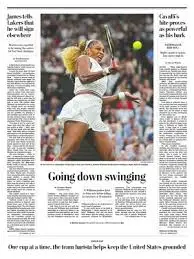
When we talk about major sports headlines around the world, we are referring to the most impactful, widely discussed, and culturally significant breaking news stories within the global sports ecosystem. These are not just standard regional box scores or local match summaries. Instead, they represent the massive announcements, game outcomes, and off-field developments that command international media attention and spark conversations across continents.
These headlines typically encompass major international events, championship matches, and groundbreaking updates across various popular sports disciplines. Examples include:
- The FIFA World Cup: Mid-tournament breakthroughs, shocking underdog victories, or dramatic knockout stage comebacks.
- The Olympic Games: Unprecedented gold medal runs, world records being shattered, and inspiring displays of sportsmanship.
- The Formula 1 Circuit: Shocking driver transfers between top racing teams, controversial track incidents, and championship-deciding Grand Prix finishes.
- Professional Leagues (NBA, NFL, Premier League): High-stakes blockbuster trades, multi-million dollar contract extensions, and unexpected managerial firings.
Essentially, this concept serves as a real-time pulse of the global sports community. It highlights the intersection of peak human performance, massive financial investments, and intense emotional narratives that resonate with people regardless of their geographic location.
Why is Major Sports Headlines Around the World Important?

Following major sports headlines around the world is highly important because sport acts as a universal mirror to society, economics, and cultural shifts. First and foremost, these headlines hold incredible social value. They provide a common language that bridges gaps between diverse communities, allowing people from completely different backgrounds to connect over a shared passion or a historic athletic milestone.
From an economic perspective, global sports updates carry massive financial implications. When a premier football club signs a superstar player, or a city wins the bid to host the Olympic Games, billions of dollars shift hands. Stock prices fluctuate for corporate sponsors, local tourism industries prepare for massive influxes of visitors, and television networks renegotiate broadcasting rights. Keeping an eye on these headlines allows business analysts and casual fans to understand the economic engines driving global entertainment.
Furthermore, these news stories have a profound psychological impact on fans and aspiring athletes. Seeing an underdog team defy the odds or watching an athlete overcome a career-threatening injury inspires millions of individuals to persevere through their own personal challenges. In short, global sports headlines keep us informed, connected, and inspired by the absolute limits of human capability.
Detailed Step-by-Step Guide to Tracking Global Sports News
Navigating the ocean of information to find the most accurate major sports headlines around the world requires a strategic approach. Without a solid plan, you can easily become overwhelmed by rumors, clickbait, and duplicate articles. Follow this detailed, step-by-step framework to streamline your sports consumption and stay genuinely informed.
Step 1: Identify and Select High-Quality Source Outlets
The foundation of great sports tracking is choosing reliable news organizations that prioritize journalistic integrity over sensationalism. Look for established international outlets known for rigorous fact-checking and deep editorial resources.
- Global Broadcast Networks: Outlets like BBC Sport, Sky Sports, and ESPN offer exceptional, round-the-clock coverage of multiple sports across different continents.
- Dedicated Sports Publications: Magazines and websites like The Athletic or L’Équipe provide deep-dive investigative journalism and highly accurate insider reports.
- Official Governing Bodies: Always cross-reference major announcements with official statements from organizations like FIFA, the International Olympic Committee (IOC), or the ICC.
Step 2: Leverage Smart Digital Curation Tools
You do not need to visit twenty different websites every morning to see the latest major sports headlines around the world. Instead, let technology do the heavy lifting by setting up automated aggregation feeds.
- Configure Custom RSS Feeds: Use tools like Feedly to bundle your favorite sports news desks into a single, clean reading timeline.
- Set Up Tailored News Alerts: Use Google Alerts with highly specific keywords such as “World Cup breaking news” or “Formula 1 transfer updates” to receive instant email notifications.
- Utilize Specialized Sports Apps: Download official applications like Flashscore, Bleacher Report, or FotMob, which allow you to select favorite teams and receive custom push notifications for breaking news.
Step 3: Curate a Focused Social Media Ecosystem
Social media platforms are often where major sports headlines around the world break first, long before formal articles are published on news websites. However, you must curate your feed carefully to avoid baseless rumors.
- Follow Credible Journalists: Look for verified, tier-one sports insiders who have built reputations for flawless accuracy, such as renowned football transfer experts or seasoned motorsport reporters.
- Create Tailored Lists: Use features like lists on X (formerly Twitter) to isolate trusted sports analysts from the general clutter of your main social feed.
- Engage with Official Team Accounts: Follow verified team and athlete profiles to get direct, unfiltered updates regarding injuries, statements, and line-ups.
Step 4: Verify Information to Spot Sensationalist Rumors
In the rush to be first, many online platforms publish unverified transfer gossip or exaggerated injury updates. Protecting yourself from misinformation is crucial for intermediate and beginner sports followers.
- The Three-Source Rule: Never accept a massive sports headline as absolute truth until at least three independent, reputable news outlets have confirmed the exact same story.
- Check the Original Context: If a headline claims a manager made a shocking statement, track down the full press conference video or transcript to ensure the quote was not taken completely out of context.
- Analyze the Wording: Be wary of headlines that heavily rely on words like “allegedly,” “rumored,” “could possibly,” or “insider hints.” True breaking news uses definitive, factual language.
Benefits of Tracking Major Sports Headlines Around the World
Engaging regularly with major sports headlines around the world offers numerous distinct advantages that go far beyond simply knowing the final score of a weekend game.
- Enhances Social Connectivity: Staying updated on global sports events provides instant talking points in professional settings, casual gatherings, and social circles around the world.
- Develops Critical Thinking: Analyzing tactical shifts, managerial decisions, and team statistics sharpens your ability to evaluate complex, fast-moving situations.
- Provides Educational Insights: Global sports updates frequently touch upon international politics, geography, and socio-economic issues, broadening your cultural knowledge.
- Improves Data Literacy: Modern sports tracking exposes you to advanced metrics and analytical data, which helps improve your ability to read trends and interpret complex statistics.
- Offers High-Quality Entertainment: Following long-term sports storylines creates an immersive, narrative-driven experience that serves as an excellent escape from daily stress.
Disadvantages and Risks of Sports News Consumption
While staying informed is highly rewarding, over-consuming major sports headlines around the world can introduce several negative side effects that fans should actively monitor.
- Wastes Significant Time: Scrolling endlessly through speculative transfer rumors and post-match debates can easily consume hours of productive time every single day.
- Causes Emotional Exhaustion: Investing deep emotional energy into the volatile wins and losses of a sports team can directly impact your mood and cause undue mental stress.
- Exposes Fans to Toxicity: Online sports forums and comment sections are frequently filled with aggressive arguments, tribalism, and toxic fan behavior.
- Encourages Unhealthy Gambling: Constant exposure to betting odds and analytical predictions within sports headlines can inadvertently push vulnerable fans toward problematic sports wagering.
- Creates Information Fatigue: The sheer volume of 24/7 digital updates can lead to cognitive overload, making it difficult to distinguish truly impactful news from trivial gossip.
Common Mistakes to Avoid When Following Sports Headlines
Even experienced sports enthusiasts can fall into bad habits when consuming major sports headlines around the world. Avoiding these common pitfalls will ensure you maintain a healthy, rational, and highly enjoyable relationship with global sports media.
Relying Solely on Clickbait Social Media Headliners
Many clickbait accounts post sensationalized graphics with provocative text simply to generate clicks and algorithm engagements. Never form an opinion based entirely on a single social media image or a bold snippet. Always click through to read the full, detailed article to understand the complete background.
Confusing Speculative Transfer Gossip with Official Signings
During international transfer windows, thousands of fictional rumors are generated daily to drive website traffic. It is a massive mistake to get overly excited or upset about a player transfer until you see the athlete holding the new jersey on the official club website.
Allowing Regional Tribalism to Cloud Objective Analysis
It is perfectly natural to support a specific country or club, but letting personal bias completely blind you to reality ruins the sports experience. Avoid dismissing rival achievements or making excuses for poor performances by your own team. Appreciating brilliant sportsmanship, regardless of who delivers it, makes you a far better analyst.
How do sports journalists break major international headlines so quickly?
Professional sports journalists build extensive, trusted networks of insider sources over decades. These sources include athletes, sports agents, team executives, coaches, and medical staff. When a significant development occurs, these insiders securely pass information to trusted reporters. Journalists will then rapidly verify the news with secondary sources before publishing to ensure they are both first and accurate.
Why do some sports headlines completely dominate the global news cycle?
Headlines dominate when they transcend the boundaries of sport and enter mainstream pop culture. Stories involving massive financial figures, deep political undertones, severe controversies, or globally recognized icons like Lionel Messi or LeBron James appeal to non-sports fans as well. This cross-over appeal forces mainstream media outlets to give the story maximum coverage.
What is the most effective way to block out toxic sports commentary?
The best approach is to strictly consume primary-source reporting and completely avoid the comment sections of major sports websites or social media pages. Use keywords filtering tools on your social media apps to block inflammatory phrases. Additionally, focus on reading subscription-based sports journalism, which generally maintains a much higher standard of discussion.
How can I verify if an injury update headline is actually true?
To verify an injury update, look directly for the official team medical report or a quote from the head coach during an official press conference. Be highly skeptical of vague headlines that cite “unnamed training ground sources.” If reputable local beat reporters who cover that specific team daily are not tweeting about it, the headline is likely an exaggeration
Are international sports headlines biased toward specific countries?
Yes, media bias definitely exists within global sports coverage. Western media outlets naturally tend to place a heavier focus on European football, North American professional leagues, and athletes from English-speaking nations. To achieve a balanced view, make a conscious effort to read sports news desks based in South America, Asia, and Africa, which highlight incredible global achievements often overlooked by mainstream Western networks.
How does big data change the way sports headlines are written today?
Yes, media bias definitely exists within global sports coverage. Western media outlets naturally tend to place a heavier focus on European football, North American professional leagues, and athletes from English-speaking nations. To achieve a balanced view, make a conscious effort to read sports news desks based in South America, Asia, and Africa, which highlight incredible global achievements often overlooked by mainstream Western networks.
Expert Tips and Bonus Strategies for Sports Fans
If you want to transition from a casual observer to an expert sports analyst, you need to change how you process major sports headlines around the world. Implementing advanced strategies will allow you to look past superficial statistics and maximize your overall sports intelligence.
- Learn to Read Between the Lines of Press Conferences: Coaches, managers, and elite athletes are highly trained in corporate public relations and rarely speak completely candidly. Pay close attention to what they deliberately avoid saying or who they fail to mention. When a manager gives a vague, overly defensive answer regarding a player’s future or a contract extension, it often signals that background negotiations are breaking down long before an official transfer request is made.
- Study the Business and Legal Sides of Sports: To fully comprehend why massive sports headlines happen, you must understand the underlying business mechanisms. Familiarize yourself with concepts like financial fair play rules, salary cap restrictions, luxury taxes, and image rights contracts. Knowing these financial boundaries explains why teams are suddenly forced to sell star players or pass on attractive free-agent signings, giving you a massive advantage in predicting future roster moves.
- Keep a Long-Term Multi-Sport Journal: Document your own thoughts, predictions, and reactions to massive breaking sports news throughout the calendar year. Looking back at your notes after six months allows you to see how initial media narratives compare to the actual long-term outcomes. This practice vastly improves your objective prediction skills and helps you spot recurring patterns in how sports media cycles operate.
Conclusion
In conclusion, keeping up with major sports headlines around the world is an incredibly rewarding pursuit that keeps you deeply connected to the vibrant pulse of global culture. As we have explored throughout this comprehensive guide, global sports reporting represents far more than just a collection of wins, losses, or box scores. It is an intricate, living tapestry of human emotion, massive financial movements, and social evolution that continually shapes our shared global experience. By selecting high-quality news sources, leveraging smart digital curation tools, and actively avoiding the trap of sensationalized clickbait, you can vastly elevate your overall media literacy. The ability to filter out the noise and focus on authentic, well-researched sports journalism allows you to enjoy the games on a much deeper, more intellectual level.
Ultimately, approaching global sports news with a balanced, analytical mind allows you to appreciate the sheer dedication, strategy, and drama that makes athletics so universally beloved across different generations and continents. Do not let the overwhelming noise of the 24-hour digital media age detract from your enjoyment or cloud your judgment. Instead, actively apply the structured frameworks, verification steps, and expert tips outlined in this guide to transform yourself into a highly informed, culturally aware sports enthusiast.
As the sporting world continues to evolve with new technologies, shifting economies, and emerging athletes, staying ahead of the curve will only become more exciting. By maintaining an objective perspective and looking at the broader context behind every breaking announcement, you ensure that your passion for sports remains both fulfilling and intellectually stimulating. Stay curious, analyze objectively, and enjoy the incredible, unpredictable journey that global sports content continuously offers to the world.
