

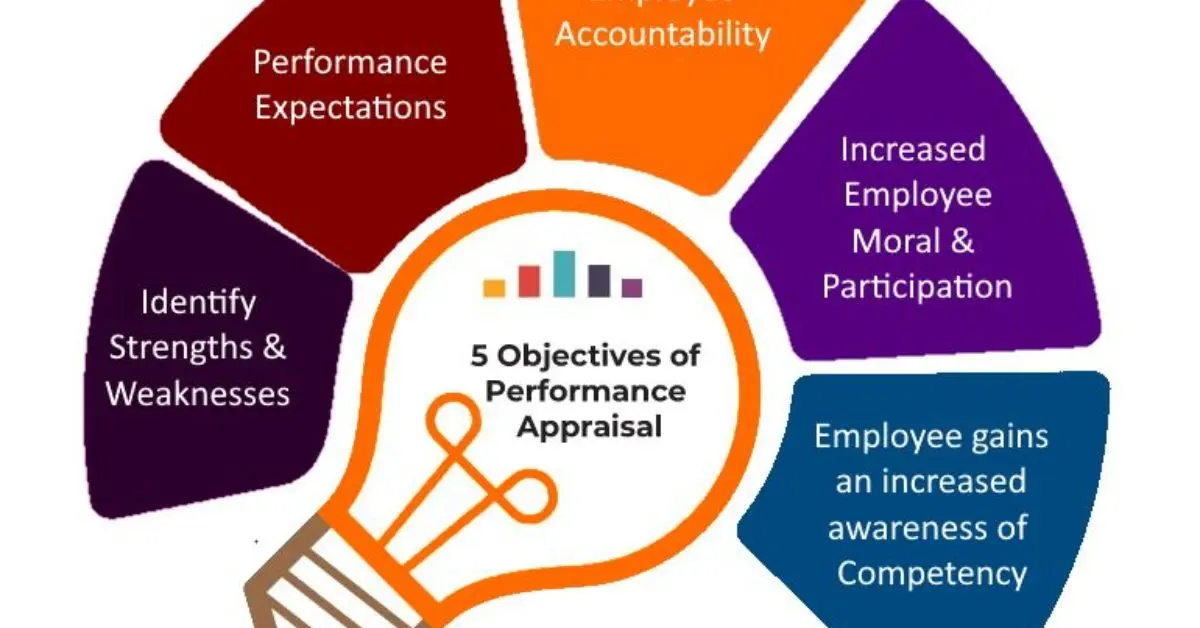
Introduction
Every successful organization depends on teams that work efficiently toward shared goals. Whether it is a sports team, a business department, a project group, or a customer support unit, understanding how well a team performs is essential for long-term success. This is where Team Performance Analysis becomes valuable. It provides a structured way to evaluate strengths, identify weaknesses, and create strategies for continuous improvement.
Rather than relying on assumptions, Team Performance Analysis uses measurable data, observations, and feedback to determine how effectively a team completes its tasks. It also highlights communication gaps, workflow issues, and opportunities to increase productivity. As a result, managers and team leaders can make informed decisions that benefit both individuals and the organization.
For beginners, learning Team Performance Analysis may seem challenging at first. However, once the basic principles are understood, it becomes easier to recognize performance trends and implement meaningful improvements. Intermediate professionals can also benefit by refining their evaluation methods and introducing better performance metrics.
This guide explains the fundamentals of Team Performance Analysis, why it matters, and how to perform it step by step. You’ll also discover practical examples, useful techniques, and actionable advice to help your team achieve consistent and measurable success.
What is Team Performance Analysis?

Team Performance Analysis is the process of evaluating how effectively a team works to achieve its objectives. It examines multiple aspects of team performance, including productivity, communication, collaboration, problem-solving, time management, and overall results.
Unlike individual performance reviews, Team Performance Analysis focuses on how members work together. Even highly skilled individuals may struggle to deliver excellent results if teamwork is weak. Therefore, analyzing team dynamics helps identify opportunities for better cooperation and improved outcomes.
For example, if a project misses several deadlines, the issue may not be a lack of talent. Instead, poor communication, unclear responsibilities, or inefficient planning may be the real causes. Team Performance Analysis helps uncover these hidden challenges.
Organizations often combine quantitative data, such as completed tasks and project timelines, with qualitative information like employee feedback and manager observations. This balanced approach provides a complete picture of team effectiveness.
Why is Team Performance Analysis Important?

Effective Team Performance Analysis benefits organizations of all sizes. It supports continuous improvement while helping teams adapt to changing business environments.
Some key reasons include:
- It identifies strengths that should be maintained.
- It uncovers weaknesses before they become major problems.
- It improves communication among team members.
- It increases productivity through better planning.
- It supports fair and objective performance evaluations.
- It helps leaders make data-driven decisions.
- It boosts employee engagement and accountability.
- It contributes to higher customer satisfaction and business growth.
For instance, a sales team may consistently meet revenue targets but experience high employee turnover. Performance analysis can reveal that excessive workloads or poor collaboration are causing dissatisfaction, allowing managers to address the root problem.
Detailed Step-by-Step Guide
Step 1: Define Clear Goals
Every successful Team Performance Analysis begins with clearly defined objectives. Teams must understand what success looks like before performance can be measured.
Goals should be:
- Specific
- Measurable
- Achievable
- Relevant
- Time-bound
For example, instead of saying “Improve customer service,” a better goal would be “Increase customer satisfaction ratings by 15% within six months.”
Clear goals provide direction and establish measurable benchmarks for evaluation.
Step 2: Select the Right Performance Metrics
Choosing meaningful metrics ensures the analysis focuses on measurable outcomes rather than assumptions.
Common performance indicators include:
- Project completion rate
- Productivity levels
- Quality of work
- Customer satisfaction
- Attendance and reliability
- Deadline completion
- Error rates
- Employee engagement
Different teams require different metrics. A software development team may focus on code quality and delivery speed, while a customer service team may emphasize response times and client satisfaction.
Step 3: Collect Accurate Data
Reliable information forms the foundation of effective Team Performance Analysis.
Useful data sources include:
- Project management reports
- Employee surveys
- Performance dashboards
- Customer feedback
- One-on-one meetings
- Team observations
- Attendance records
Using multiple data sources reduces bias and provides a more balanced evaluation.
For example, if productivity reports indicate excellent performance but employee surveys reveal burnout, leaders can investigate workload distribution before problems worsen.
Step 4: Evaluate Team Collaboration
Strong collaboration is often the difference between average and outstanding performance.
During Team Performance Analysis, evaluate whether team members:
- Share information openly.
- Respect different opinions.
- Support each other.
- Resolve conflicts professionally.
- Communicate clearly.
- Contribute equally toward team goals.
Healthy collaboration creates trust, improves efficiency, and encourages innovation. Teams with strong communication generally solve problems faster and adapt more effectively to unexpected challenges.
Step 5: Identify Strengths and Improvement Areas
After gathering sufficient information, compare current performance against established goals.
Look for patterns such as:
- Frequently missed deadlines
- Exceptional problem-solving skills
- Strong customer feedback
- Communication bottlenecks
- Uneven workload distribution
- High-quality project outcomes
Instead of focusing only on weaknesses, recognize successful practices that should continue. Celebrating strengths motivates employees while encouraging continuous improvement.
Here’s Part 2 of your article.
Step 6: Create an Action Plan
Once strengths and weaknesses have been identified, the next step is creating a practical action plan. The purpose is not simply to highlight problems but to solve them through realistic improvements.
An effective action plan should include:
- Clearly defined improvement goals.
- Assigned responsibilities for each task.
- Realistic deadlines.
- Required resources and training.
- Methods for measuring progress.
For example, if communication is slowing down project delivery, the team may decide to hold brief weekly progress meetings and use a shared project management system. Small improvements often produce significant long-term results.
Step 7: Monitor Progress Regularly
Team Performance Analysis should not be treated as a one-time activity. Teams evolve, business priorities change, and new challenges appear regularly.
Schedule monthly or quarterly reviews to compare current performance against previous results. Use updated data, gather fresh feedback, and adjust strategies when necessary.
Continuous monitoring allows leaders to detect issues early while reinforcing successful habits that contribute to consistent performance.
Benefits of Team Performance Analysis
Regular Team Performance Analysis offers advantages for both employees and organizations.
- Improves communication and collaboration.
- Increases productivity and efficiency.
- Identifies strengths that deserve recognition.
- Detects performance gaps before they become serious.
- Supports better decision-making with reliable data.
- Encourages accountability among team members.
- Enhances employee engagement and motivation.
- Improves customer satisfaction through better service quality.
- Reduces wasted time and operational costs.
- Promotes continuous learning and professional development.
Organizations that consistently evaluate team performance are often better prepared to adapt to market changes and maintain a competitive advantage.
Disadvantages / Risks
Although Team Performance Analysis provides many benefits, it also presents certain challenges if handled incorrectly.
- Poor-quality data can lead to inaccurate conclusions.
- Excessive monitoring may reduce employee trust.
- Biased evaluations can affect morale.
- Focusing only on numbers may ignore teamwork and creativity.
- Unrealistic expectations can increase workplace stress.
- Lack of follow-up makes the analysis ineffective.
- Inconsistent evaluation methods create confusion.
- Resistance to feedback may slow improvement efforts.
These risks can be minimized by maintaining transparency, using fair evaluation methods, and encouraging open communication throughout the process.
Common Mistakes to Avoid
Many organizations invest time in Team Performance Analysis but fail to achieve meaningful improvements because of avoidable mistakes.
One common mistake is measuring too many performance indicators at once. Tracking only the most relevant metrics keeps the process focused and easier to manage.
Another mistake is ignoring employee feedback. Team members often understand daily challenges better than anyone else, making their opinions valuable for identifying practical solutions.
Some managers also focus only on weaknesses while overlooking strengths. Recognizing achievements motivates employees and builds confidence for future projects.
Failing to communicate expectations clearly is another frequent issue. Every team member should understand performance goals and evaluation criteria from the beginning.
Finally, organizations sometimes collect performance data but never act on it. Without improvement plans and regular follow-ups, analysis becomes little more than a reporting exercise.
Frequently Asked Questions
What is the primary purpose of Team Performance Analysis?
The main purpose is to evaluate how effectively a team works together to achieve shared goals. It helps identify strengths, weaknesses, opportunities for improvement, and strategies that increase productivity and collaboration.
2. How often should Team Performance Analysis be conducted?
Most organizations benefit from conducting formal reviews every quarter while monitoring key performance indicators monthly. The ideal schedule depends on project complexity, team size, and organizational goals.
3. What are the most important performance metrics?
Useful metrics include productivity, quality of work, customer satisfaction, project completion rates, communication effectiveness, employee engagement, attendance, and adherence to deadlines. The best metrics align with the team’s specific objectives.
4. Can small businesses benefit from Team Performance Analysis?
Absolutely. Small businesses often have limited resources, making efficient teamwork especially important. Regular analysis helps identify improvement opportunities that increase productivity without requiring major investments.
5. How can managers make performance evaluations fair?
Managers should use objective data, gather feedback from multiple sources, communicate expectations clearly, and evaluate performance consistently. Transparency reduces bias and builds employee trust.
6. What tools can support Team Performance Analysis?
Organizations commonly use project management software, employee surveys, performance dashboards, collaboration platforms, customer feedback systems, and regular team meetings to gather meaningful performance information.
Expert Tips & Bonus Points
To achieve better results from Team Performance Analysis, consider these practical recommendations:
- Set measurable goals before beginning any evaluation.
- Combine numerical data with employee feedback.
- Encourage honest communication without fear of criticism.
- Celebrate achievements as frequently as identifying problems.
- Review performance trends instead of isolated incidents.
- Invest in training whenever skill gaps are discovered.
- Promote collaboration rather than unhealthy competition.
- Update performance metrics as business priorities evolve.
- Keep documentation organized for future comparisons.
- Make improvement a continuous process instead of an annual event.
One valuable bonus tip is to involve the entire team in developing improvement strategies. Employees are more likely to support changes when they participate in creating the solutions.
Conclusion
Team Performance Analysis is much more than a management exercise. It is a practical framework that helps teams understand how they work, where they excel, and what needs improvement. By combining measurable data with honest feedback, organizations gain valuable insights that support smarter decisions and stronger teamwork.
Successful analysis begins with clear goals, meaningful performance metrics, accurate data collection, and regular evaluation. More importantly, the findings must lead to action. Creating improvement plans, recognizing achievements, addressing challenges, and monitoring progress ensure that analysis produces measurable results instead of becoming a routine administrative task.
Whether you manage a small business, lead a project team, coach athletes, or supervise a corporate department, Team Performance Analysis provides the information needed to improve collaboration, increase productivity, and achieve long-term success. Even small adjustments in communication, planning, or workload distribution can significantly enhance overall performance.
As organizations continue to evolve, teams that embrace continuous evaluation and improvement will remain more adaptable, resilient, and competitive. By making Team Performance Analysis an ongoing practice rather than an occasional review, leaders create an environment where individuals grow, teamwork strengthens, and shared goals become easier to achieve. The result is sustained success built on informed decisions, effective collaboration, and a commitment to continuous improvement.
