

Introduction
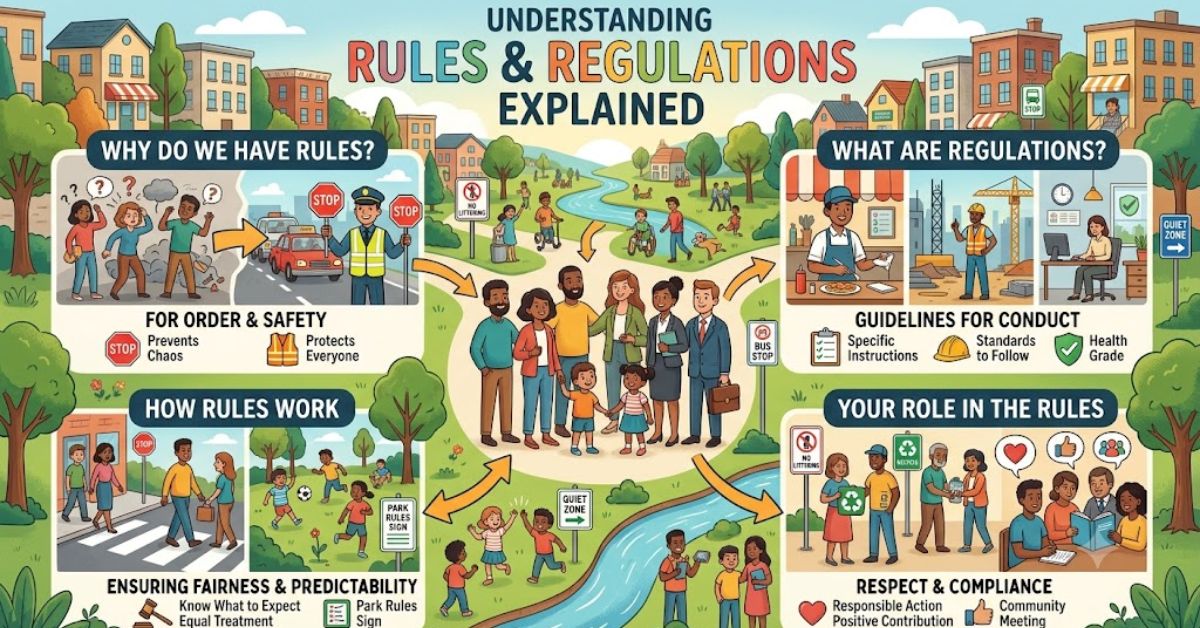
Every society, organization, school, workplace, and government relies on rules to maintain order and ensure fairness. However, many people hear the terms “rules” and “regulations” without fully understanding what they actually mean or why they matter. This guide on Rules and Regulations Explained will help beginners and intermediate readers gain a clear understanding of these important concepts in simple language.
Whether you are a student, employee, business owner, or simply someone interested in learning how systems work, understanding rules and regulations can make everyday life much easier. They influence how we drive on roads, operate businesses, study in educational institutions, and even interact online. Without them, confusion, conflict, and unfair treatment would become much more common.
Throughout this article, you’ll discover what rules and regulations are, why they are important, how they are created, and how they are enforced. You’ll also learn practical examples, common mistakes people make, benefits, disadvantages, and expert tips for following them effectively.
By the end of this comprehensive guide on Rules and Regulations Explained, you’ll have a solid understanding of how these guidelines shape our daily lives and why respecting them benefits both individuals and society as a whole.
What is Rules and Regulations Explained?
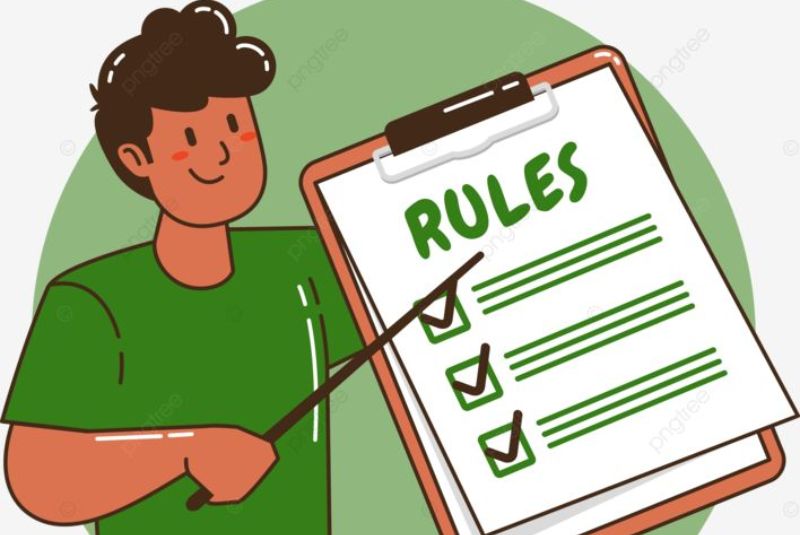
Before diving deeper, it’s important to define the two terms separately because they are closely related but not exactly the same.
What Are Rules?
Rules are specific instructions or guidelines that tell people what they should or should not do. They are created to maintain order, safety, discipline, and fairness.
Examples include:
- Wearing a seatbelt while driving.
- Submitting assignments before the deadline.
- Following office attendance policies.
- No smoking in designated areas.
Rules are usually straightforward and easy to understand.
What Are Regulations?
Regulations are more formal requirements issued by governments, regulatory bodies, or organizations. They often carry legal authority and explain how laws should be implemented.
Examples include:
- Workplace safety regulations.
- Environmental protection regulations.
- Financial reporting regulations.
- Food safety regulations.
Regulations are generally more detailed than rules and often include procedures, compliance requirements, inspections, and penalties.
Difference Between Rules and Regulations
| Rules | Regulations |
|---|---|
| Usually simple instructions | More detailed legal requirements |
| Can exist in schools, homes, or workplaces | Usually issued by governments or authorities |
| Easier to understand | Often involve formal procedures |
| May have minor consequences | Can involve legal penalties |
When discussing Rules and Regulations Explained, understanding this distinction helps avoid confusion.
Why is Rules and Regulations Explained Important?
Rules and regulations exist for many important reasons. Their primary purpose is to create a safe, fair, and organized environment.
1. Promotes Safety
Safety rules reduce accidents and injuries.
For example:
- Traffic rules prevent collisions.
- Construction regulations protect workers.
- Fire safety regulations save lives.
2. Maintains Order
Without rules, every individual would follow their own preferences, creating confusion.
Schools, businesses, and governments all depend on organized systems.
3. Protects Rights
Rules help ensure everyone receives equal treatment.
Examples include:
- Anti-discrimination policies
- Consumer protection laws
- Employee rights regulations
4. Builds Trust
Organizations that follow regulations gain greater public confidence.
Customers trust businesses that comply with safety and quality standards.
5. Encourages Responsibility
People become more accountable when expectations are clearly defined.
Detailed Step-by-Step Guide
Step 1: Understand the Purpose
Before following any rule, understand why it exists.
Ask questions like:
- What problem does this solve?
- Who benefits from it?
- What happens if it’s ignored?
Knowing the purpose increases compliance.
Step 2: Read the Rules Carefully
Never rely solely on assumptions.
Take time to read:
- Employee handbooks
- School policies
- Government regulations
- Company procedures
Missing even one requirement can lead to unnecessary problems.
Step 3: Clarify Any Doubts
If something is unclear, ask the responsible authority.
Examples include:
- Teachers
- Managers
- Legal advisors
- Government departments
Seeking clarification prevents misunderstandings.
Step 4: Follow Procedures Consistently
Consistency is key.
For example:
If workplace policy requires wearing safety equipment every day, following it only occasionally isn’t enough.
Regular compliance builds good habits.
Step 5: Stay Updated
Rules and regulations often change.
Examples include:
- Tax laws
- Employment policies
- Technology regulations
- Health guidelines
Review updates regularly.
Step 6: Keep Documentation
Many regulations require proper record keeping.
Examples include:
- Tax receipts
- Business licenses
- Employee records
- Inspection reports
Good documentation simplifies compliance.
Step 7: Review Compliance Periodically
Organizations often perform internal reviews.
Individuals can also check:
- Have all requirements been met?
- Are documents current?
- Have regulations changed?
Regular reviews reduce future risks.
Benefits of Rules and Regulations Explained
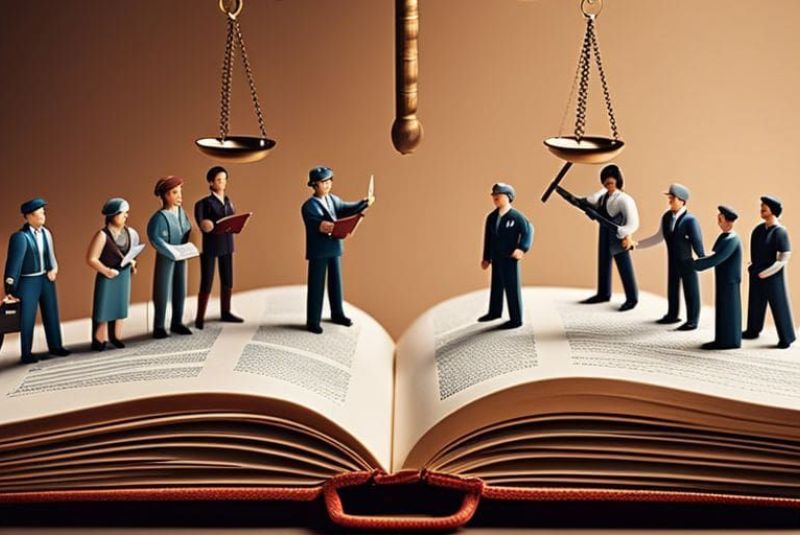
Understanding and following rules and regulations offers numerous advantages:
- Creates safer environments
- Reduces conflicts and misunderstandings
- Promotes fairness for everyone
- Protects individual rights
- Improves organizational efficiency
- Enhances accountability
- Prevents legal penalties
- Builds trust among employees and customers
- Supports long-term business success
- Encourages ethical behavior
- Improves productivity
- Reduces financial risks
Disadvantages / Risks
Although rules and regulations provide many benefits, they can also present certain challenges.
- Excessive regulations may slow decision-making.
- Complex rules can confuse beginners.
- Compliance may increase operational costs.
- Frequent changes require continuous learning.
- Overregulation may reduce flexibility.
- Misinterpretation can result in penalties.
- Smaller businesses may struggle with compliance requirements.
- Poorly written regulations may create uncertainty.
Despite these challenges, the overall benefits usually outweigh the disadvantages.
Common Mistakes to Avoid
Many people unintentionally violate rules simply because they overlook important details.
Here are the most common mistakes:
Assuming Instead of Reading
Never assume you already know the requirements.
Policies change regularly.
Ignoring Updates
Old information quickly becomes outdated.
Always verify the latest version.
Poor Record Keeping
Losing important documents can create compliance issues later.
Keep records organized.
Waiting Until the Last Minute
Completing regulatory requirements at the deadline increases the chance of mistakes.
Plan ahead.
Misunderstanding Definitions
Some legal terms have specific meanings.
Read carefully before acting.
Following Outdated Advice
Friends or coworkers may unknowingly share incorrect information.
Always verify official requirements.
Ignoring Small Violations
Minor violations often grow into larger problems.
Address issues early.
FAQs
What is the difference between rules and regulations?
Rules are general instructions that guide behavior, while regulations are formal requirements created by authorized bodies to implement laws or standards. Regulations are typically more detailed and may carry legal consequences.
Why are rules important in everyday life?
Rules help maintain order, improve safety, reduce misunderstandings, and create fairness. They allow people to understand expectations and responsibilities in different environments.
Who creates regulations?
Regulations are usually created by government agencies, regulatory authorities, industry organizations, or governing bodies responsible for enforcing specific laws and standards.
What happens if regulations are violated?
Consequences vary depending on the situation. They may include warnings, fines, suspension, license cancellation, disciplinary action, or legal penalties.
How often do regulations change?
Some regulations remain unchanged for years, while others are updated frequently due to technological advancements, economic conditions, public safety concerns, or legal reforms.
How can beginners learn rules more easily?
Beginners should:
Read official documents carefully.
Attend training sessions.
Ask questions.
Take notes.
Review updates regularly.
Practice applying rules in real situations.
Are all rules legally enforceable?
Yes. Clear expectations reduce confusion, improve teamwork, minimize conflicts, and help employees perform their responsibilities more efficiently.
Expert Tips & Bonus Points
Understanding Rules and Regulations Explained becomes much easier when you apply a few practical strategies.
Learn the Reason Behind Every Rule
People are more likely to follow rules when they understand their purpose.
Keep a Personal Checklist
For work or business, maintain a compliance checklist.
Review it regularly.
Attend Training Sessions
Organizations frequently offer compliance training.
These sessions help employees stay informed.
Organize Important Documents
Use digital folders or labeled files for:
- Licenses
- Certificates
- Contracts
- Tax documents
Good organization saves time during inspections.
Develop Good Habits
Compliance becomes easier when it becomes routine.
Small daily habits prevent larger problems later.
Encourage Open Communication
If you’re part of a team, discuss rule changes openly.
Everyone should understand new expectations.
Review Policies Periodically
Schedule regular reviews rather than waiting until problems occur.
Prevention is always easier than correction.
Think Beyond Compliance
Instead of merely avoiding penalties, aim to build ethical decision-making into your daily activities.
Organizations with strong ethical cultures often perform better in the long run.
Conclusion
Understanding Rules and Regulations Explained is essential for anyone who wants to succeed in school, the workplace, business, or everyday life. While rules provide straightforward instructions for acceptable behavior, regulations establish detailed standards that ensure consistency, fairness, and legal compliance. Together, they create systems that protect individuals, organizations, and society.
Although following rules may sometimes seem restrictive, they exist to reduce risks, improve safety, and establish clear expectations. From traffic laws and workplace policies to consumer protections and environmental standards, rules and regulations influence nearly every aspect of modern life. Learning how they work helps individuals make informed decisions, avoid unnecessary penalties, and build stronger personal and professional relationships.
The key to successful compliance is staying informed, reading requirements carefully, asking questions when needed, maintaining proper documentation, and reviewing updates regularly. These simple habits can prevent costly mistakes while promoting confidence and accountability.
Ultimately, rules and regulations should not be viewed as obstacles but as valuable frameworks that support fairness, efficiency, and responsible behavior. By understanding their purpose and applying them consistently, you can navigate everyday situations with greater confidence, contribute positively to your community or workplace, and make smarter decisions in both your personal and professional life.
